
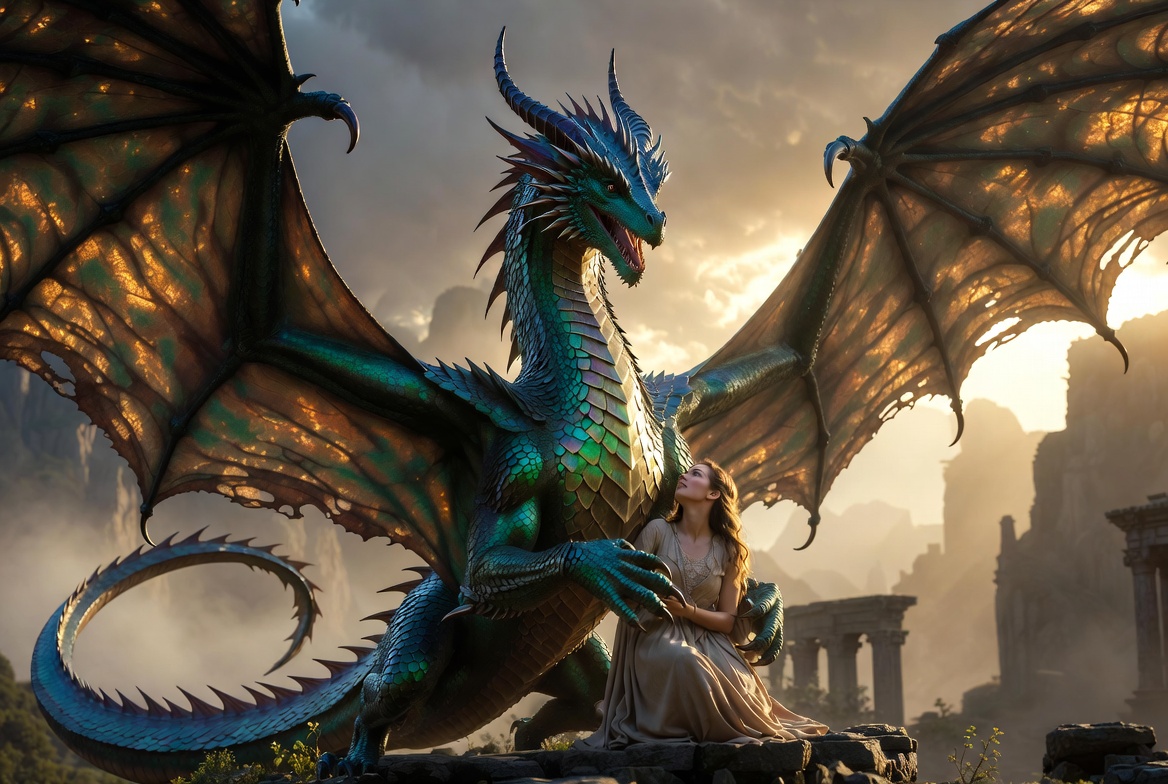
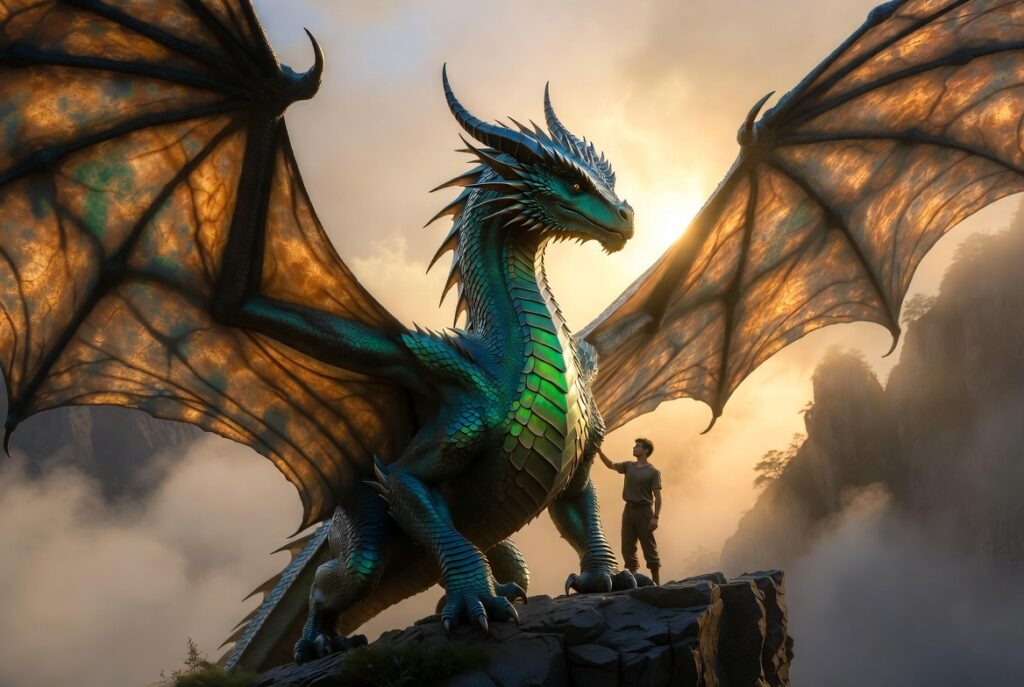
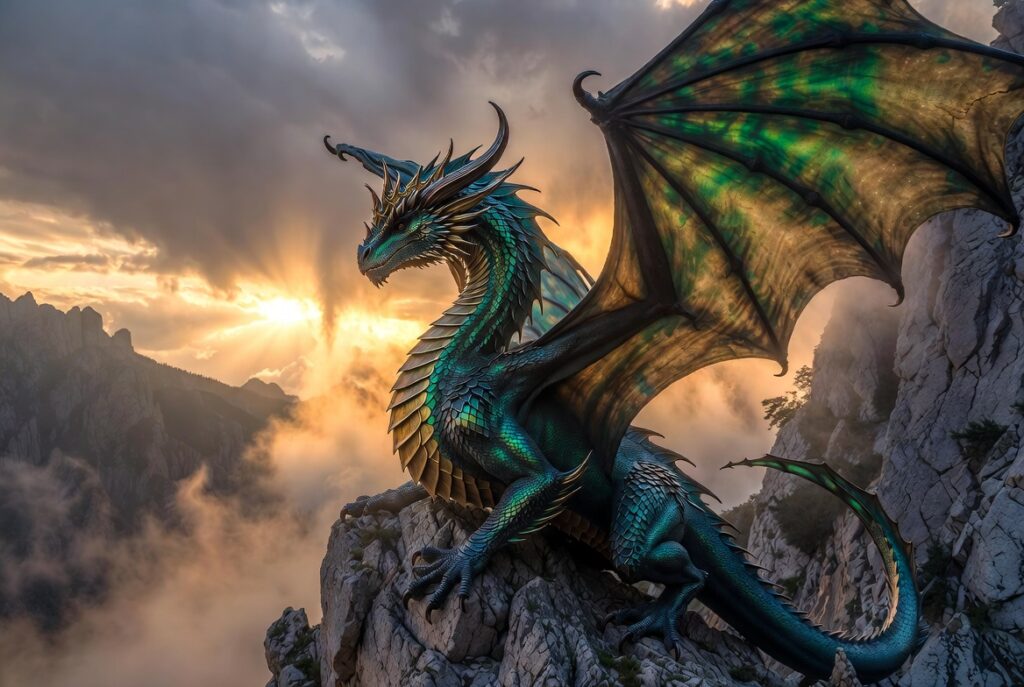
The freighter was dead quiet. Not the kind of quiet that meant empty. The kind of quiet that meant something inside it was trying very hard not to be heard. Ward noticed that the moment his salvage scanner picked up the ship’s heat signature. It was drifting. No engine burn. No, Vakon. Just a massive metal hole floating in the dark between two star systems going nowhere slowly. He had seen derelik ships before. Plenty of them. Usually they were gutted husks left behind after a bad trade run or a pirate hit. Usually they smelled like burnt wiring and old fuel. This one had power running through it. faint, but steady, he brought his small one-man hauler alongside and docked at the cargo bay without much thinking about it. That was Ward’s way. He did not overthink. He saw a thing, he moved toward it, and he figured out what it was once he was already inside. His crew chief back on the station had called it reckless. Ward called it efficient. The cargo bay doors opened without resistance that he stepped in. The smell hit him first. Not fuel, not rot, something heavier than both. Something alive and unwashed and angry. Pressed into a space that was far too small for it. Ward stood still for a moment and let his eyes adjust to the dim lighting. The bay was large. Rows of reinforced containers lined the walls. And in the center, a series of heavy cages had been bolted to the floor with thick support beams. The cages were not the kind used for cargo. They’ve been built for living things. The bars were layered with a dull gray coating that Ward recognized after a moment as a conductivity suppressor. Anything that touched those bars from the inside would get enough of a charge to discourage a second attempt. There were creatures in the cages, small ones near the left wall. A cluster of pale, six-limmed beings huddled together in one cage, barely moving. A single dark feathered creature with four eyes sat alone in another, pressed into the far corner, staring at Ward without blinking. Two more cages held things Ward had never seen before and did not have names for that he walked slowly. He did not speak yet. He had learned a long time ago that speaking too fast in an unknown situation was how people got themselves into worse situations. Then he reached the far end of the bay and he stopped. The cage there was different from the others. It was twice the size, reinforced three times over, and the conductivity coating on the bars was thicker and darker than anything else in the room. Chains ran from the walls to a central ring on the floor. And from that ring, two more chains extended upward and outward. The creature at the end of those chains was enormous that it was folded into the smallest shape it could manage, which was still larger than Ward’s entire hauler cabin. Scales covered every inch of it. Silver with a faint blue underneath like starlight caught in ice. Two wings were pulled in tight against its body. Each chain running to a thick cuff around the joint where the wing met the back. The wings were not broken. Work could see that. But they had not been opened in a long time. The muscles along the back were stiff and uneven in the way that muscles got when they were held in one position for weeks. The head was down, long and angular with ridges running back from the brow, eyes closed. Ward stood at the bars and looked at it for a long time that he knew what it was. Every person who spent enough time in deep space eventually learned the basic species profiles, not to talk to them, not to trade with them, just to know what they were looking at so they could make good decisions fast when it mattered. This was a draari. Ward had never seen one in person before. He had seen images. Holos. He had heard the stories that traders told in station bars about the Draci Empire and its reach and its pride. The Draci were not a species that ended up in cages. They were a species that built them. Except this one was in one that the chains on the wings told Ward everything he needed to know about whoever had put it there. You chain the wings specifically because that was where the real power was. Ground the wings and you ground the spirit. Whoever had built this cage had known exactly what they were doing. Ward crouched down so he was at eye level with the creature. Even though its eyes were still closed, he reached into his jacket and pulled out his water canteen. He unscrewed the cap slowly, making small deliberate sounds so the noise would register before he moved. Then he reached carefully through the outer bars, not close enough to touch the charged inner layer, and set the canteen down on the floor, just inside the gap. The Draci’s eyes opened. They were gold, not the flat yellow gold of old metal, but deep and lit from somewhere behind, like there was something burning quietly at the back of them. Those eyes fixed on ward without any warmth and without any fear. Just a long, hard look that took him apart piece by piece and put him back together as something not yet worth deciding about. Then the creature snarled that it was not a loud sound. It did not need to be. It was the kind of sound that came from a chest large enough to hold a human hole. And it moved through the floor and up through Ward’s boots and into his spine like a slow warning. Ward did not move. He sat down on the floor cross-legged and looked back at the dragon. He did not reach for the canteen. He did not speak.
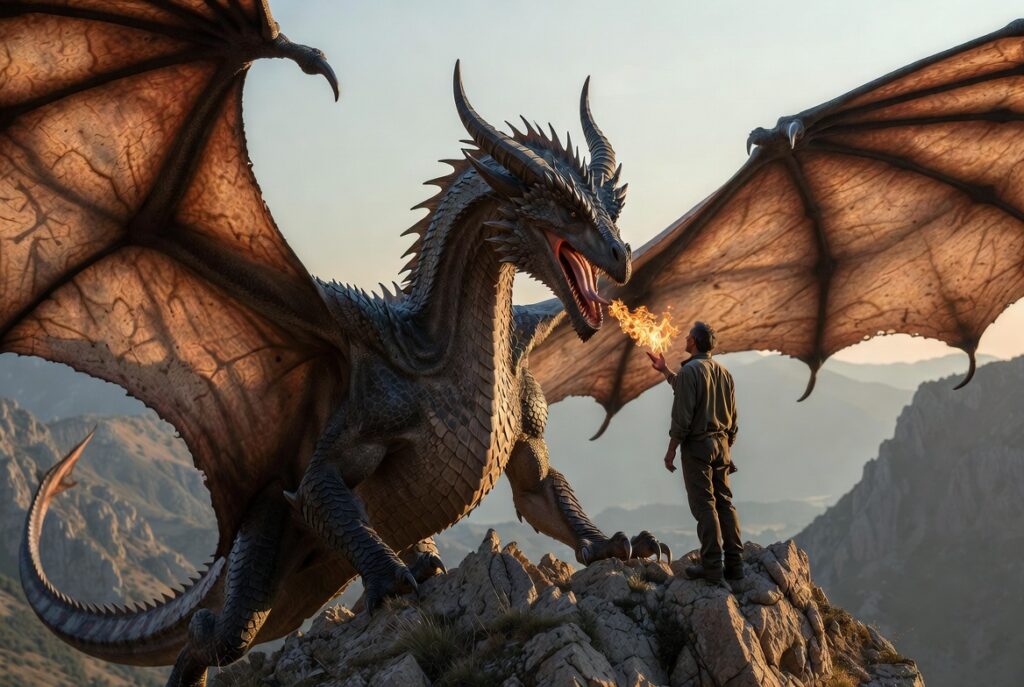
He did not try to smile or or make himself seem harmless because something with eyes like that would see through harmless immediately. He just sat there and looked back, calm and patient, the way he sat when he was waiting for a long system scan to finish. The golden eyes stayed on him. Ward reached into his jacket again and pulled out a ration bar. He unwrapped it with the same slow care as before. He broke off half and ate it. The other half he held out briefly toward the cage and then sat down next to the canteen. The snarl did not come again. The dragon looked at the food, then at Ward, then at the food again. Ward leaned back on his hands and looked up at the ceiling of the cargo bay as if he had nowhere else to be and nothing in particular on his mind that he was going to need a plan. He could see at least four of Saluin’s crew on this ship based on the bootprints near the docking port and the two voice signatures he had picked up through the wall 2 minutes after he entered. They did not know he was here yet. That would not last. He was also going to need more ration bars, but those were problems for later. Right now, he was sitting on the floor of a black market prison ship across from a caged dragon prince who had not eaten in what looked like several days. And Ward had already made the only decision that mattered. He was not leaving without him. He had not decided why yet. He was not the type to dig too deep into his own reasons while there was still work to be done. He just knew it the way he knew most things. Simply and without much noise about it. The canteen was still sitting inside the bars. Ward did not look at it. But after a long while in the quiet of the bay, he heard the faint sound of chains shifting. He kept his eyes on the ceiling, and he did not smile. Not where anyone could see it. Rail had counted every species that had come close to his cage. There had been 11 of them. The Vorcai crew members who fed him once every two days, always from a distance, always with the product extended, never making eye contact. The pale buyer who came to inspect him in the third week and poked at his scales through the bars with a thin instrument until rail snapped at the air close enough to make the creature fall backwards screaming. The cleaning unit that rolled past his cage every few days and sprayed a chemical mist that smelled like processed metal and made his eyes burn. Every single one of them flinched when he moved at it was the one satisfaction left to him in this place. He was reduced and chained and grounded, but he could still make them flinch. He held on to that. The human did not flinch. Rail had been watching him since the moment he sat down on the floor the night before. He had not expected the human to come back. Most creatures, once they saw what was in the cage, found reasons to be somewhere else. But when the dim lighting in the bay cycled up to its daytime, setting and rail opened his eyes, the human was there again, sitting against the wall about four body lengths from the cage. Not close, not staring, just present that he had a bag open beside him. He was doing something with a collection of small metal components, arranging and rearranging them with a focus that suggested he was actually working and not merely pretending to be busy. Every so often he glanced toward the cage. Not at Rail specifically, just in the direction of it. The way a person checks a window when they are inside and weather is outside. Rail watched him and said nothing that he had not touched the food from the night before or the water. He told himself this was principle. He did not take things from strangers. He did not accept from those who had not earned the right to offer. These were rules that had been part of him since before he could fly. rules that his father had pressed into him along with everything else a prince of the Dari was supposed carried. He was also very thirsty. The human finished whatever he was doing with the components, packed them back in a bag, and then stood up and stretched in the very human way, arms overhead, spine curved back, a small sound of effort. He picked up the bag and walked along the far wall toward the ship’s inner corridor. Pausing at the door, he looked back at the cage, not at Rail. At the canteen, still sitting inside the bars where he had left it the night before. He did not say anything. He went through the door. Rail waited 2 hours passed. He could judge time reasonably well, even without a clock. The sounds of a ship changed in a pattern, and he had learned the pattern in the first week. After 2 hours, the human came back. He had a second canteen now and a different kind of ration bar, and he sat down in the same spot against the wall and began eating with the same unhurried focus as before. Rail watched him eat, then slowly, with as little visible effort as he could manage. Rail shifted his position and stretched his neck forward enough to reach the canteen on the floor inside the bars.
He did not look at the human. He drank. The human did not react. He did not make a sound of satisfaction or turn to look or say anything at all. He just kept eating. Rail pulled back and settled again. The ration bar half was still there too. He left it. He had some principles remaining.3 days passed in this way. The human came and went. He always came back. He brought water each time and food and he ate some of himself and left some near the bars without ceremony. He fixed things around the cargo bay. A loose panel near the ventilation unit, a flickering light above the cage cluster on the left, a door sensor that had been clicking irregularly. He did not ask permission from anyone to fix these things. He simply fixed them with the easy confidence of someone who was supposed to be there that on the fourth day. Everything changed. Ward had been working near the back of the bay when two of Saloon’s crew came through the corridor door. They were vorai, four arms each, gray green skin, the flat, wide faces of a species that had evolved to see in very low light. They stopped when they saw Ward. Rail went completely still. The exchange that followed was fast and hostile. The crew members spoke in sharp clipped Vorcai. Ward answered in the same language, which surprised Rail, and his tone was completely calm. Not the calm of someone hiding fear. The calm of someone who had already decided what story he was telling and believed it fully that he told them he was a mechanic. He named a specific maintenance contractor that operated out of the nearest transit hub. He said Saloon had brought him aboard at dock 6 to deal with the ventilation cycling issue in the lower hold and that he had been working through the ship section by section as contracted. He sounded completely believable. Point one of the crew grabbed his bag and went through it. Tools, components, a maintenance log on a small handheld device that Ward unlocked without hesitation and handed over. The crew member scrolled through it, handed it back, and said something short and dismissive. They left. Ward put his bag back on his shoulder and walked back to his spot against the wall and sat down. He pulled out a ration bar and unwrapped it. Rail stared at him. The human had lied smoothly, completely without any visible effort. He had lied to protect his position on this ship. That was what Rail had assumed at first. A spy, perhaps, an operative of some kind, gathering information, but then Ward did something that did not fit that explanation. He reached into his bag and took out a second ration bar. He broke it in half. He slid one half through the outer bars of the cage along the floor until it was sitting in the narrow gap. He had just risked his cover to bring food back to the bay. Rail looked at the halfration bar on the floor. He looked at the human who was eating the other half and looking at nothing in particular. He thought about principles. Then he thought about the fact that he had been in this cage for 6 months. And in 6 months, not one creature on this ship had come back to the bars after being close enough to smell him. Not one of them had sat on the floor. Not one had fixed the flickering light that had been burning his eyes for weeks without being asked. He ate the ration bar. Ward looked up briefly. Their eyes met for a moment, gold and dark brown, and then Ward looked back down as food. Neither of them said anything, but something shifted in the cargo bay that night. Something small and unnamed. The way a lock sounds just before it opens. Not open yet, but moving. Rail watched the human settle against the wall with his jacket pulled up for warmth and his eyes closed. And he thought about a thing he had not thought about in six months. He thought about the door, not the door of the cage. He had memorized every weakness of the cage in the first two weeks and found none worth attempting alone and chained. He thought about the door beyond the cage, the way out. The question of what came after the bars, he had stopped thinking about it because thinking about something impossible was a waste of the energy he needed to survive. But the human had lied to four armed guards without blinking and come back to the cage anyway. Rail watched him sleep that he did not yet call it hope. He was a prince of the draci and he was careful with words, especially the important ones. But he watched the human sleep in the cold cargo bay and he thought about the door and he kept thinking about it long after the lights cycled down and the ship went quiet around them both. Ward had found the cage control panel on day five that it was not hidden well. Saluan’s crew was confident in the conductivity bars and the chains which meant they had not bothered to protect the control system with anything more than a basic key lock and a four-digit code. Ward had cracked the code in 40 minutes by watching a crew member enter it from across the bay. He had good eyes and patience, which in his experience were more useful than most specialized tools. He did not open anything that night. He went back to his spot against the wall and thought about it for a long time. The way he thought about any job that had more variables than he could see clearly. There were four crew members he had confirmed, possibly a fifth somewhere in the lower hold. Saloon himself was aboard. Ward had heard his voice twice through the corridor wall. That flat nasal Vorai accent giving orders about feeding schedules and humidity levels. There was one docking bay with one working escape pod and the docking collar were his own hauler Saturday. The creatures in the smaller cages are the first problem. Ward did not know their species or their languages. He did not know if they were dangerous when freed or simply frightened. He did not know if they would run straight to Salu’s crew the moment a door opened or if they would run the other way. He had no way to ask them and no way to explain himself that he spent three days watching them anyway. The sixlim pale ones communicated constantly with each other in small movements, antenna shifts, limb positions, not a soundbased language. When Ward walked past their cage slowly and stopped and crouched and put his empty hands visible and open in front of him, the antennas went very still. Then the nearest one did something specific with its front two limbs. A crossing motion, then an outward push. War was not sure what it meant. He did it back. The creature went very still. Then it made the motion again slower.
Outward push away. Ward nodded once. He was fairly sure it meant they understood more than they were showing that on day seven. He opened the smaller cages first. He did it at the deep point of the night cycle when the ship sounds had settled into their slowest pattern. He moved quietly to the control panel, entered the code, and selected the smaller cage clusters. The locks disengaged with a sound he had practiced minimizing. A barely audible click that he covered by coughing once at the same moment. The pale six-limmed creatures came out of their cage without a sound. All seven of them, the nearest one, looked at Ward for a long second. Ward pointed toward the corridor that led to the escape pod bay. He had checked it twice during his third and fourth days on the ship. The pod was functional. The creature crossed its front limbs and pushed outward. Then they moved, all seven of them, flowing along the wall in a fast, low cluster that made almost no noise, and they were gone into the corridor. Ward freed the other small cages one by one, gesturing each group toward the same corridor. Some went fast. One of the unnamed creatures pressed itself against the wall in panic and would not move until Ward stepped back to the far side of the bay and turned away and waited. After a long moment, he heard it go. Then there was only one cage left. Ward walked to the far end of the bay and stood at the bars. Rail was already watching him. The golden eyes had tracked every movement since the first lock clicked open. They were fully alert now, burning with something that had not been there a week ago. Ward looked at the chains on the wings. They connected to the central ring which connected to a wall mount. The mount release was inside the cage controlled from the same panel. He had checked dot. He went to the panel. He selected the final lock. He entered the code. The cage bars swung open. Then he entered the secondary command and the chain mounts released. The tension went out of the chains all at once. Ward stepped back from the cage. He stepped back far, giving as much space as the bay allowed, and he put both hands visible at his sides and said the only thing that felt true. You can go. I’m not asking you to stay. Rail did not move for a long moment. Then he stood up. That it was the first time Ward had seen him fully upright. The ceiling of the cargo bay was high and rail still nearly filled it. He rose slowly, each movement careful and deliberate, like a creature relearning how much space it was allowed to take up. The chains fell away from the wing joints and hit the floor with a heavy sound that seemed to echo longer than it should have. Rail spread his wings. The corridor was too narrow and the bay, large as it was, was too cluttered. The left wing caught a support beam and could not open fully. The right wing spread maybe halfway before the wall stopped it. He could not open them all the way, but for one full breath, they were open. Ward stood completely still and watched it happen and did not say a word. It was not the kind of moment that needed words. Then the alarm went off. That it was not the cage alarm. Ward had disabled that at the panel. It was a motion sensor somewhere near the escape pod bay. The freed creatures had tripped it. The lights in the cargo bay snapped to full brightness. Voices erupted from the corridor. Heavy footsteps. Ward grabbed his bag off the floor and looked at the corridor that led toward the docking bay where his hauler sat. It was on the opposite side of the ship from the escape pod bay. The crew would split or go toward the louder alarm first. He ran. Dot. He heard behind him the sound of something very large moving very fast. Not chasing him, moving with him. The first crew member came through the side corridor door just as Ward reached the docking bay entrance. The Vorcai raised something in two of his four hands that Ward recognized as a restrain emitter. The kind that sent a neural disrupt signal at close range. Rail came through the corridor behind Ward like a force of weather. He did not breathe fire. Ward would learn later that fire was a draci ability that required a calm focus state and rail had been chained for 6 months. What he did was use his body which was more than enough. The crew member went sideways into the wall with a sound like a door slamming and did not get up point. Two more appeared at the far end of the bay. Rail moved toward them with his wings half spread in the narrow space, which made him look twice as wide as he was, and the two crew members made the sensible decision and ran back the way they had come. Ward had the haulers docking collar open. He scrambled through. I need you to be smaller than you are, he said, which was not a useful thing to say, but was the truest thing he could think of. Rail looked at the hauler. He looked at Ward. He folded himself. It took considerable effort and the hauler groaned in several places as he came through the collar and Ward sealed it behind him.
Rail was folded into the cargo space with his chin on his front legs and his wings compressed flat and his tail curled around the base of the pilot seat and he filled every available centimeter of space that was not the pilot seat itself. Ward sat down and hit the undock sequence. A restraint emitter beam hit the outside of the hull as they pulled away, doing nothing to the hole plating. Ward punched the jump coordinates he had preloaded on day two, and the hauler jumped. I in the cargo space. Something warm settled against the back of the pilot’s seat. Ward reached down without looking and found the edge of a wing membrane pressed against his arm, holding a careful amount of heat. He did not say anything about it. He just flew through the sudden quiet of jump space toward whatever came next behind him. Rail breathed slowly in the dark and for the first time in 6 months, none of the breath was wasted holding back sound. Jump space was gray and featureless and it lasted 6 hours. Ward was unconscious for most of them. The restraint emitter beam had not hit him directly. But when rail had come through the docking collar in a hurry, one of his back legs had clipped Ward across the left side with enough force to crack two ribs and send him sideways into the control panel. Ward had managed to lock in the jump coordinates before his vision went fully white. After that, he did not manage much else. Rail had no experience with human physiology. He understood that Ward was breathing because the chest was moving. He understood that the human was not dead because dead things had a different smell. Beyond that, he was working with very limited information in a very small space with no room to pace, which was how Draci processed uncertainty, and no one asked. He did what he could. He kept his wing membrane pressed against wardide where the impact had landed. Warmth was something he had in abundance. He monitored the breathing pattern and noted when it deepened into something more restful than unconscious. He studied the control panel without touching it and memorized the layout from what he could see from his position. He checked the whole readings twice using the secondary display that was within reach of his nose and confirmed they were on course and nothing was following them. When the jump ended and the gray resolved back into stars, Ward woke up. He did it the way Wards seemed to do most things without drama. His eyes opened. He looked at the ceiling and then he said very calmly, “How long was I out?” “6 hours.” Rail said it was the first time he had spoken directly to the human. His voice in a small cabin was very large, and Rail moderated it as best he could, which was not very well. Ward did not flinch at the volume. He turned his head and looked at Rail with the same steady brown eyes as always. You speak standard, Ward said. Aluldraary eye of the court are taught it. Rail said, I did not speak it to you before because I had not decided what you were. Ward seemed to find this reasonable. He tried to sit up. He got about halfway before his face changed in the way that meant pain and he stopped. Ribs, he said too, rail said on the left. I am sorry. The corridor was narrow. It was Ward agreed without any particular resentment. He settled back against the seat at the angle that seemed to cause him least difficulty and looked out at the stars for a moment. Are we being followed? No. Good. He reached slowly into his bag on the floor beside the seat and found a small medical kit. He wrapped his ribs with a pressure bandage with a careful efficiency of someone who had done it before and who did not enjoy asking for help. and so had learned not to need it. Rail watched him. After a while, Ward said, “Why did you fight with me back there? You could have gone a different direction.” Rail considered the question. It was a fair one. The docking bay, where Ward’s hauler sat had not been the only exit. In the chaos of the alarm and the crew scrambling, there had been other paths. Rail was large but fast, and in his current state, reduced, cramped, 6 months without proper flight. He could still have moved faster than any Vorcai crew member if he had wanted to simply escaped. He had not wanted to simply escape. You freed the small ones first, Rail said. Ward looked at him. Before you open my cage, Rail said, you went to the others first. The small cages. You freed them and sent them to the escape pod before you came to me. Ward shrugged, which seemed to hurt his ribs. They were smaller. They were more scared. Rail was quiet for a moment. I Andraari culture. The order of things was not arbitrary. Rank was the structure on which everything else was built. You rescued the highest rank first. You protected the most powerful first. You attended the most important first. This was not cruelty. This was simply the shape of a world that worked correctly. Ward had looked at a cage full of small frightened creatures and a prince of the Dracari Empire and freed the small frightened creatures first because they were more scared. Rail did not have a framework for this. He had been trying to build one for the past 7 days and he was no closer than when he started. Teach me something in your language. Ward said. Rail looked at him. You said all court drai learn standard.
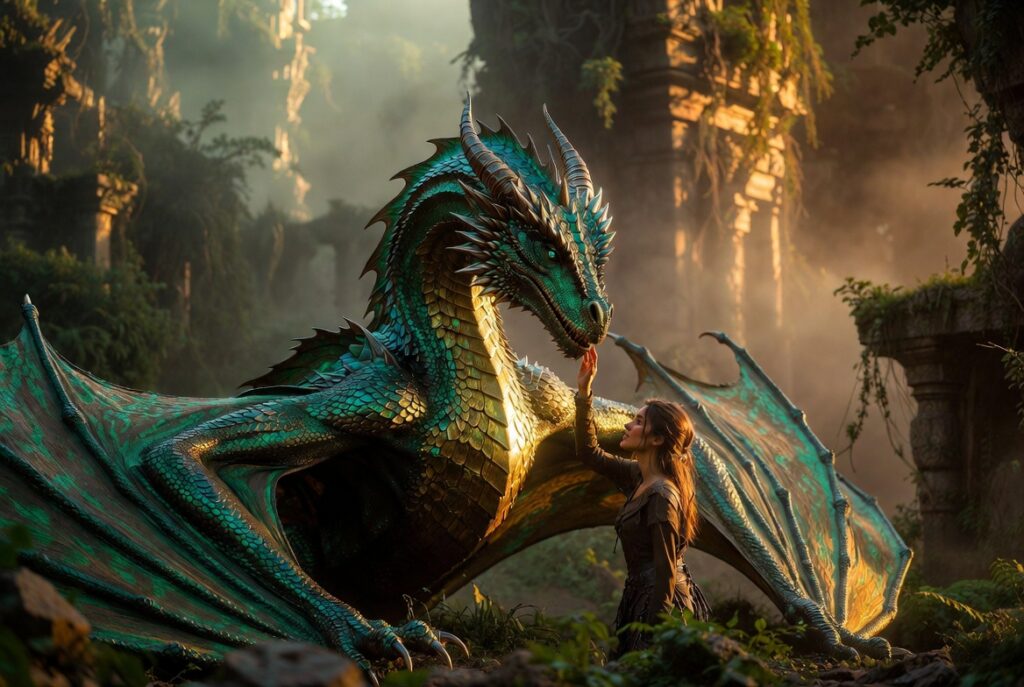
Ward said I figure I should learn something of yours. Seems fair. real thought about this. Then he said in Drachari, the word for sky. Ward repeated it. He got it wrong in two places. The resonance at the back of the throat was a sound human vocal cords could approximate but not replicate exactly and the rising inflection at the Andy dropped entirely. Rail told him to try again. Dot. He tried again. Still wrong, but less wrong. They did this for a while. Ward was a poor student in terms of ability and an excellent student in terms of patience. He did not get frustrated when he failed. He simply tried again with slightly different placement and waited to be corrected. Rail found this unexpectedly tolerable. They were two days into open drift, rationing ward supplies and making slow progress toward the nearest neutral station. When the Dari fleet found them, I te came out of a jump point off the port side. Three warships, the long dark holes of the Imperial search configuration, moving in the pattern that meant they were following a beacon. Ward’s hauler had a standard identification broadcaster. It had apparently been enough. The lead ship hailed them. Rail answered. The voice on the other end went very quiet for a moment when it heard him. Then it said, “In Dracari, a single word that was not a military word at all. It was the word a older brother used for a younger one when a younger one had been lost and then found. Doran that he came aboard the lead ship personally rather than sending crew, which told Rail how worried he had actually been regardless of what his face was doing. Doran was taller than Rail by a full head, broader in the shoulder with deeper red black scales and the settled authority of someone who had been making decisions for a long time.He looked at Rail for a long moment in the docking bay of the warship and said nothing. Then he placed both his hands on Rail’s shoulders in the Dari way and held them there. Rail led him. Then Doran looked at Ward. Ward had come through the docking collar behind Rail, moving carefully with his wrapped ribs, his bag over one shoulder. He stood in the docking bay of an Imperial Dracari warship and looked at the acting regent of the Draci throne and gave a single respectful nod. Duran looked at in the way one looks at a thing that is surprising but not yet understood. He said in standard, “The Empire is grateful. You will be compensated for your service.” It was a perfectly correct thing to say. Formal, final, the kind of language that wrapped up a transaction. Rail went very still. Ward glanced at him, then back at Dorian. He said, “That’s kind of you.” In a tone that did not accept or decline anything. Doranne began to say something else about arrangements, about transport back to human space, about the appropriate level of reward for a salvager who had happened upon. “He is not a debt to be paid,” Rail said. Both of them looked at him. “He is under my protection,” Rail said. His voice was quiet. It was the kind of quiet that had nothing to do with uncertainty. He goes where I go. That is not a discussion. Duran looked at his younger brother for a long moment. Then at the human, then back at Rail that he said nothing else about compensation. The warship adjusted its course for home to in the corridor outside the docking bay. Ward fell in a step beside Rail without being asked, and Rail matched his pace to the shorter stride without thinking about it, and neither of them mentioned it. Some things did not need to be said out loud to be true. The Draci home world was called Verith, and it was old in the way that only a world which had been the center of an empire for a thousand years could be old. Ward saw it first from the warship’s observation deck. A planet of deep red stone and silver water and forests that from orbit looked like dark green smoke clinging to mountain ranges that went up and up until the cloud cover swallowed them. The cities were built into the mountains rather than on the flat land because Dracari preferred height and the structures caught the light and threw it back in angles that made the whole surface seemed to shift when the sun moved. Ward looked at it for a long time without saying anything. Rail stood beside him and watched the human look at his world and he thought about what it must look like to someone seeing it for the first time. He had never thought about that before. He had been born here. He had always thought of verth the way one thinks of one’s own hands as simply the shape of things too familiar to examine. It’s beautiful Ward said. He said it the way he said most things directly without performance. Yes. Rail said they left it at that. The court was another matter. The hall of the Dari Council was carved into the interior of the largest peak in the capital range. a vast chamber with a ceiling so high that it was lost in shadow even at midday. The floor was polished black stone. The walls were lined with the history of the empire in carved relief going back to the first expansion. Every seat in the observation galleries was filled. Word had moved fast. The lost prince was returned and he had brought something unexpected with him. Ward walked into the hall beside rail and looked at all of it without flinching. He was by any measure the smallest creature in the room. Even the junior council members were larger than him. The draary eye in the galleries shifted and murmured as he passed. And their eyes tracked him with a particular intensity of species that had evolved to notice movement and assess threats automatically and could not quite turn it off even in formal settings. Ward walked with his hands loose at his sides and his chin level and his pace steady. Council Speaker Orth waited at the head of the floor. He was old. His scales had gone the gray silver of deep age, and he moved with the deliberate economy of a creature who had stopped wasting effort on anything unnecessary decades ago. He had held the council speaker position for longer than most of the junior members had been alive, and he spoke with the weight of that. He did not address Ward of First. He addressed Rail. The formal language of the opening was correct and elaborate and complimentary, full of relief at the prince’s return and honor at his resilience.
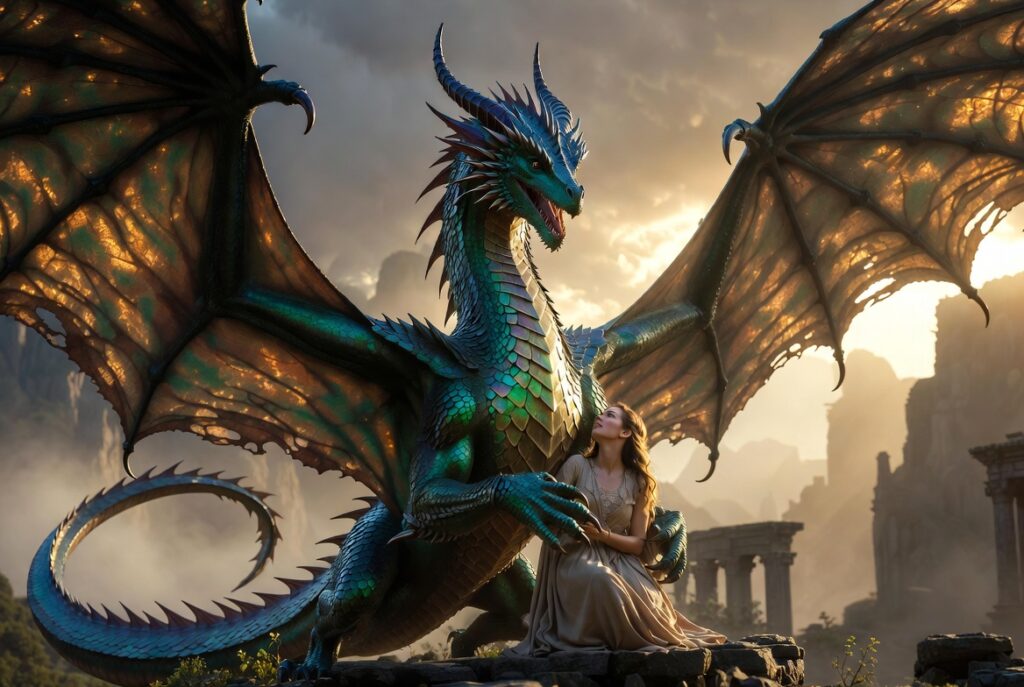
Then Orth turned to the matter of the human, and his language became careful and precise in the way that sharp things are precise, that a bond between a member of the royal bloodline and an alien species was irregular. This was stated as a fact. The implications of such a bond for the court’s external relationships, for the precedent it set, for the perception of the bloodline’s judgment. These were laid out one by one calmly with the logic of a long argument assembled over many years. Ward was not called unworthy. He was called anomalous. He was described as a variable that required proper processing before any formal status could be assigned. He was spoken about as though he were not standing right there. Ward let it go on for a while. Then he said clearly and without raising his voice. I can hear you. Orth paused. I understand you have concerns. Ward said, “That’s fair. I’m a stranger in your hall and I look nothing like anyone else in this room, but I’d rather you talk to me than about me. It’ll probably be faster.” A murmur moved through the galleries. Orth looked at Ward for a moment with the expression of someone recalculating his situation. Then he said in perfectly measured standard, “Very well. Why did you free the prince?” “Because leaving him, there was wrong.” Ward said. Orth waited for more. Ward did not provide more. That is the whole of your reason. Orth said, “That’s the whole of it.” Ward said, “I wasn’t looking for a reward. I wasn’t making a political move. I found someone who shouldn’t have been in a cage and I got him out of it. That’s the job. That’s it. The job.” Orth repeated. What decent people do, Ward said. I don’t know if you have a different word for it here. The hall was very quiet. Orth moved on to the formal proceedings because that was what formal proceedings were for. They moved on regardless. The council hearing regarding Rail’s mental and physical state following 6 months of captivity was lengthy and thorough. Physicians gave their reports. Behavioral assessments were presented. Several council members raised the concern in careful language that rails attachment to the human might be a product of the captivity itself. Isolation, dependency, a mind finding an anchor in a difficult situation and mistaking the anchor for something more. Rail listened to all of it. He sat in the council chair designated for him and he listened to every word and he said nothing until they were finished. He gave them the courtesy of his full attention, which he had been taught was the most important thing a ruler could offer in a room full of people who needed to feel heard. When they finished, he stood up that he walked from the council chair to the center of the hall floor. He walked past Orth. He walked to where Ward was standing that he looked at Ward for one moment. Then he lowered his wings. Not folded them, not tucked them, lowered them all the way, slowly and deliberately until the full spread of them lay against the floor on both sides like an act of geography. Silver blue membrane across black stone. In the complete silence of the hall, it made almost no sound at all. Every draci in the room knew exactly what it meant that a draci lowered their wings before no one. Not in submission, not in defeat, not in any circumstance that the Empire’s long history had encountered. The wings were pride made physical. They were the emblem of the species on every seal and banner and document of state. To lower them fully before another was to say in a language older than standard and older than the council and older than the empire itself, “I choose this above rank, above bloodline, above the judgment of every eye in this room. I choose this.” The observation galleries did not murmur this time. Doranne, standing at the edge of the floor, looked at Ward with an expression that had changed entirely from the one he had worn in the docking bay. It was not suspicion now. It was not calculation. It was the look of someone who had just understood something they had been trying to understand for a while. Orth stood very still. Ward looked at the wings on the floor around him and then up at Rail, and his expression was quiet and certain, and he did not look away. I see you, he said. It was not standard protocol. It was not a formal response. It was just true. Rail held his gaze. The council could not override a prince’s formal gesture. This was not a loophole. It was the oldest law they had, older than the council itself, because the Dracari had always understood that some things had to remain beyond the reach of politics to mean anything at all. Orth called the session to a close in the correct formal language. The galleries emptied slowly, full of voices. Ward stood on the black stone floor while the hall cleared around him and Rail lifted his wings back up from the floor and said quietly so only Ward could hear. You are going to have a great deal of attention from now on. I’ve had worse things, Ward said. Probably. Rail said outside the hall. The silver water of Verith caught the late sun and threw it upward in long bright lines. And the mountains held their positions as they always had, patient and enormous, carrying everything placed on them without complaint. Salone had made it three weeks. For a black market trader with a network that spanned four transit corridors and 11 independent stations, that was not a bad run. He had abandoned the prison freighter. No choice there. and split his operation across two smaller ships and a rented facility on a Vorcai controlled asteroid that technically existed outside any empire’s jurisdiction. He had paid his bribes on time. He had kept his communications clean. He had done everything correctly. He had not accounted for Dorian, the acting regent of the Draci throne, had spent 6 months building a search network across half the known lanes looking for his brother. That network did not stop when Rail was found. It simply changed what it was looking for. The Vorai authorities received a formal communication from the Draci Empire regarding the jurisdictional question of the asteroid facility and the communication was the kind that arrived already knowing the answer to every question it was technically asking. The bribe money was declined. The facility coordinates were provided within the hour. Ward found out about the operation the same way he found out about most things on Verif. Rail told him directly without preamble while they were on the upper training platform on the eastern peak where Rail had been working to rebuild the muscle strength in his wings. We are moving on Saloon’s location in 2 days. Rail said Doran leads I go with the fleet. Ward nodded. Makes sense. Rail looked at him. You know the ship. I do. Ward said better than anyone in the fleet. Rail said you spent 11 days aboard it. You know the corridor layout, the sensor positions, the crew patterns. Ward looked at him steadily. Are you asking me to come? I’m telling you. Rail said that I will not go without you. Doran has accepted this. He was unhappy about it for approximately one day and then he stopped being unhappy about it because he had other things to do. Ward thought about it for about 3 seconds. All right, he said. The operation was precise in the way that Dracari military operations tended to be planned down to the interval assigned down to the individual with contingencies for the contingencies. Ward sat in the briefing and answer questions about the ship layout that the fleet commanders did not have and could not have gotten any other way. He drew the corridor map from memory on the briefing table’s display surface, marking the sensor blind spots and the structural weak points and the exact location of the cage control panel with its specific code sequence. The fleet commanders looked at the map and then at war with the expression Dracari wore when they were updating their assessment of something. Doran at the head of the table said nothing, but he watched. The operation itself lasted 40 minutes. Ward was not in the assault team. This had not been a negotiation point. He was a salvage worker with cracked ribs, still finishing their healing and no combat training. And Rail had been extremely clear on the subject in a tone that left no room for a counter-argument. Ward was on the second ship with Doran, monitoring the layout he had provided and updating the assault team through the communication channel when things shifted from the plan. They shifted twice. Once when a crew member who should have been in the lower hold appeared in the main corridor at the wrong moment and Ward redirected the secondary team around through the ventilation access he had noted on day three once when the door to Suin’s private cabin turned out to be additionally secured beyond the standard lock and Ward told them where Suin kept his personal override key because he had watched a crew member retrieve it once through a gap in the corridor panel. Saluin was in custody in 38 minutes.
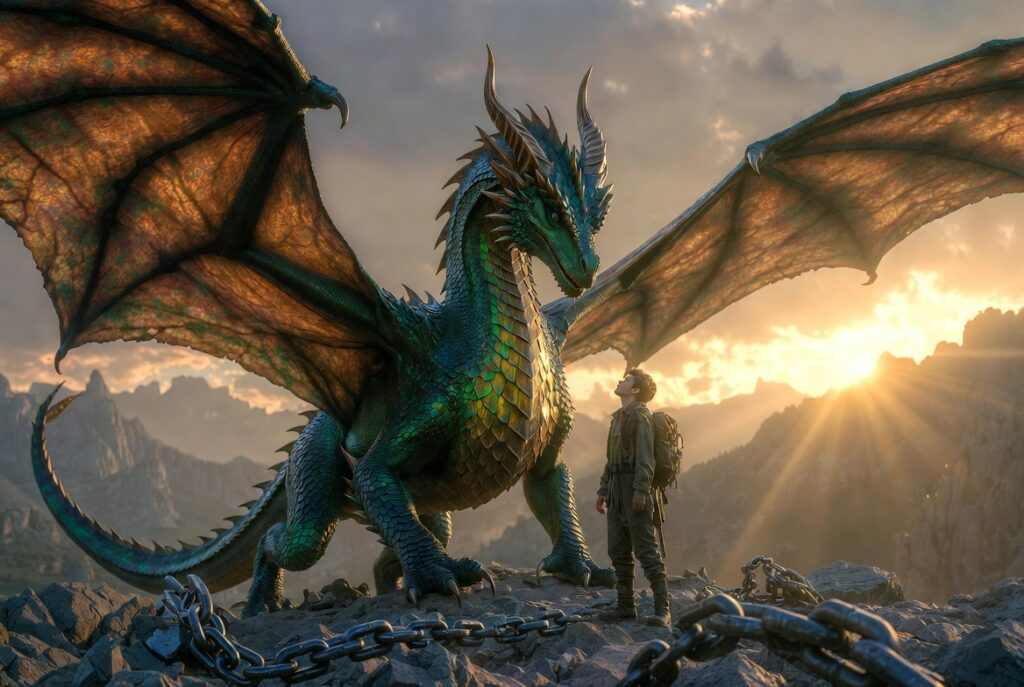
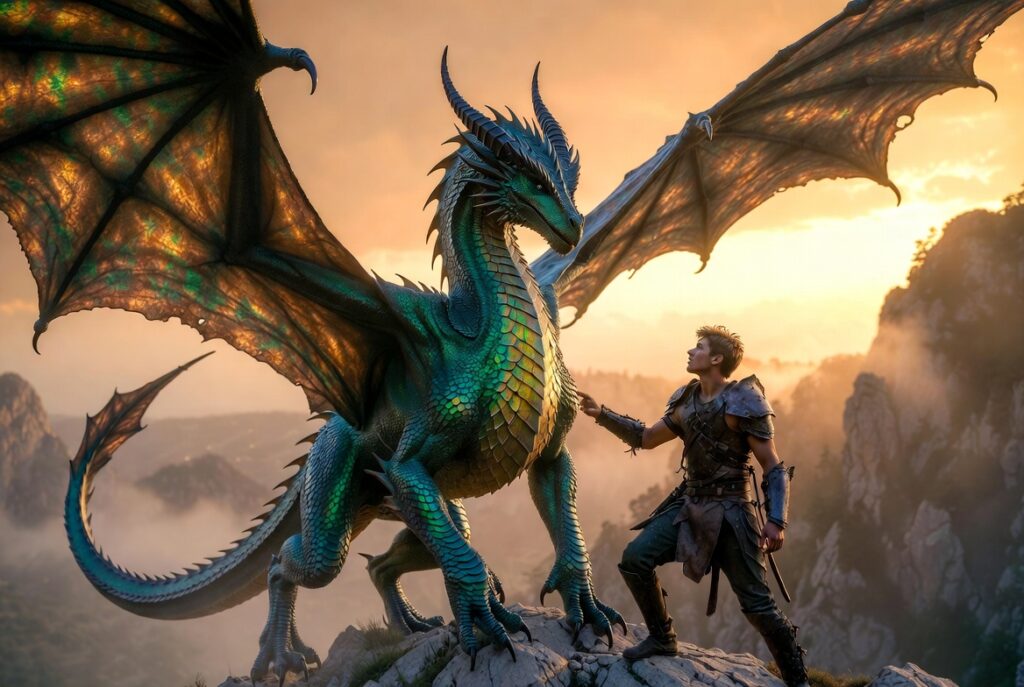
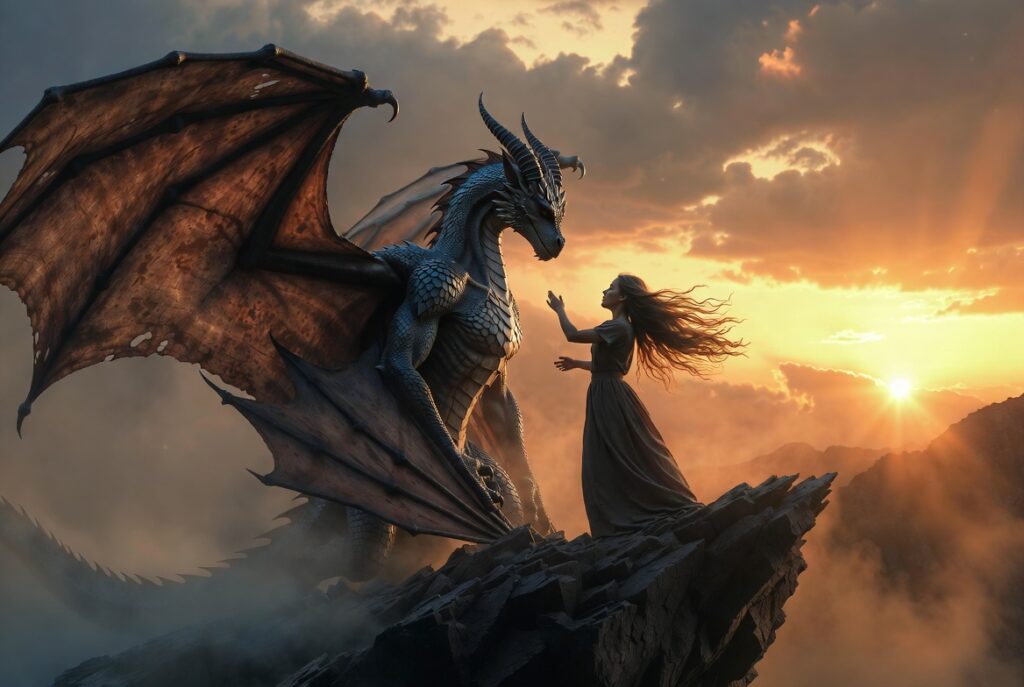
The other two minutes were spent locating Salu’s records, which Ward had also suggested they would find on the terminal in the cargo management room rather than Saloon’s personal cabin because that was where Saloonu had always gone when he wanted to check something privately and Ward had noted the pattern on the secondary ship. Doran watched Ward work through the communication relay and said nothing for a long time. Then when the allcle clear signal came through, he said in standard, “You spent 11 days on that ship and you learned all of that.” I was paying attention. Ward said, “To what purpose?” Duran said, “It was not an accusation. It was a genuine question.” Ward considered it. I didn’t know what I was going to need. He said, “So I learned everything I could and kept it until something needed it.” Duran was quiet for a moment. That is, he said slowly. a very dracarey way of thinking. Ward looked at him. Duran’s expression was not the closed measuring look from the docking bay three weeks ago. It was something more open than that. Something still forming. It was Rail’s judgment I questioned. Doranne said quietly. Not your worth. I want you to know that. I know. Ward said. You were worried about your brother. That’s fair. Yes, Dorian said. They did not say much else on the way back. But when the ships docked at the Verith Orbital Station, Doran walked beside Ward down the corridor toward the transport bay with the same easy pace he used for people he did not need to monitor, and that was its own kind of statement. The homecoming took 3 days of formal proceedings. Saluan’s network was dismantled through legal channels that the Draci Empire’s lawyers handled with evidence satisfaction. The species that had been held on the prison ship were traced through the records Ward had flagged and returned to their home systems with formal apologies from the Empire, which was not something the Empire did often, and which caused considerable discussion in the diplomatic channels. Orth found Ward on the evening of the second day. He came without ceremony, which for a council speaker was itself a kind of ceremony. He stood in the corridor outside Ward’s assigned quarters and said in standard, “I have a question.” All right, Ward said. When Saloon’s crew discovered you aboard the ship, Orth said, “You lied to them. You maintained your cover. This was logical.” He paused. But after they released you and you were free to move, you returned to the cage area. “You did not go to the docking bay where your ship was and leave.” “Why?” Ward was quiet for a moment. “Because I had told him I wasn’t leaving without him,” Ward said. “So I wasn’t going to leave without him.” Or looked at him. You had not told him this yet, Orth said. You had spoken perhaps a dozen words to him at that point. He did not know you intended to stay. Didn’t matter. Ward said, “I knew.” Orth stood in the corridor for a long moment. Then he said, “I see.” And left without any further political language. Ward watched him go and went back inside. On the third day, Rail came to his quarters very early before the Verith Sun had properly cleared the eastern peaks. He said only come with me. And Ward came. They went up. Rail knew every path through the mountain city that a draaryi could take and some that required Ward to climb and scramble and use handholds in the rock that had probably been cut for a larger species. Ward climbed without complaint. His ribs were better. His hands were good. He kept up. The place rail brought him to was at the very top of the highest accessible peak. a wide flat shelf of red stone above the cloud line where the air was cold and very clean and the whole of Verith spread out below in every direction. The silver water caught the early light. The mountain forests were still dark. The city structures threw their first long shadows of the day down the slopes. Rail stood at the edge of the shelf and was quiet for a moment. Then he spread his wings all the way fully. Both of them out and open the full span catching the cold high air and holding it. Silver blew in the early light. Enormous and real and completely unobstructed for the first time since before the cage. The wing joints moved without stiffness now. The weeks of work on the training platform had done their job. He held them open and looked at Ward. Ward walked to him without being asked. He put his hand against the leading edge of the left wing briefly and then he stepped past it and climbed up onto rails back with the practiced ease of someone who had been thinking about how to do this correctly and had worked it out in advance. He settled between the shoulder ridges where the wing joints met the spine. It was a good fit. It felt in some structural way that neither of them examined too closely like a place that had been waiting. Rail looked out over Verif. He had flown this peak a hundred times before his captivity. He had flown it in ceremony with banners trailing from the harness fittings his handlers always insisted on. He had flown it in training with instructors calling corrections from below. He had flown it in the early mornings of his youth when no one was watching and the world felt like it belonged only to him and the air. He had never flown it like this. He jumped. The cold air caught them immediately, rushing up under the wing membranes with a force that Ward had to lean into, hands pressed against the neck ridges, eyes open and forward, rail banked left, and the city turned below them, and then the mountain forest and then the silver water, vast and moving in the early light, reflecting the sky back at itself in long, bright pieces. He flew until the sun was fully up and the cloud line was below them and the cold had settled into something almost warm. Ward said nothing the entire time. He did not need to. He had spread his wings a h 100 times before captivity for ceremony for war for the pride of his bloodline for all the reasons that the empire required of him and that he had given because they were his duty and his duty was his life. This was the first time he had spread them for something true. Below them, Verith turned in its slow morning light, and the mountains held everything placed on them without complaint. And two creatures from opposite ends of the known world flew in the clean, cold air above all of it, going nowhere in particular and in no hurry to arrive.